
Chronic Sinusitis Treatment with Homeopathy: Understanding the Approach


Living with constant nasal congestion, facial pressure, post-nasal drip or recurring headaches can be frustrating, especially when these symptoms persist for weeks or repeatedly return. For people living in Bangalore, everyday exposure to traffic pollution, dust, changing weather and seasonal allergens can sometimes make nasal and sinus symptoms more noticeable. When these problems keep coming back, understanding chronic sinusitis treatment can help in finding the right approach for long-term symptom management.
According to an article published in the National Library of Medicine, chronic sinusitis involves persistent inflammation of the nasal and sinus lining and is generally associated with symptoms that continue for 12 weeks or longer. Chronic sinusitis, also known as chronic rhinosinusitis, can interfere with normal mucus drainage and breathing. Allergies, nasal polyps, structural problems inside the nose, asthma, environmental irritants and certain infections may contribute to the condition.
What Is Chronic Sinusitis?
The sinuses are air-filled spaces around the nose, cheeks, forehead and eyes. They produce mucus that normally drains through small openings into the nasal passages. When the lining becomes persistently swollen, mucus may not drain properly, causing congestion, pressure and other symptoms.
Unlike a short-term sinus infection, chronic sinusitis continues for at least 12 weeks. Common symptoms include:
Persistent nasal blockage or congestion
Thick nasal discharge or post-nasal drip
Facial pressure or tenderness
Headache or a feeling of heaviness in the head
Reduced sense of smell or taste
Cough or throat irritation
Tooth or ear discomfort
Tiredness and disturbed sleep
Not everyone experiences the same combination of symptoms, which is why proper evaluation is important.
Understanding Chronic Sinusitis: Causes
Chronic sinusitis can have more than one underlying cause. Some common factors include:
Allergies: Can irritate the nasal passages and cause ongoing inflammation.
Dust, smoke and air pollution: May worsen irritation and sinus inflammation.
Nasal polyps: Can block normal sinus drainage.
Deviated nasal structure: May prevent proper drainage and airflow.
Asthma: Can increase the risk of chronic sinus inflammation.
Immune conditions: May make it harder for the body to fight infections.
Dental infections: Can spread to nearby sinuses and cause inflammation.
Identifying the cause: Understanding the trigger helps doctors choose the right chronic sinusitis treatment and manage symptoms effectively.
Different Types of Sinusitis
Understanding the different types of sinusitis can make it easier to understand why symptoms and treatment plans can vary.
1. Acute Sinusitis
Acute sinusitis is usually short-term and may develop after a cold or respiratory infection. Symptoms generally resolve within a relatively short period.
2. Chronic Sinusitis
Chronic sinusitis is characterized by ongoing symptoms lasting 12 weeks or more. In many cases, persistent inflammation rather than an active infection is the main issue.
3. Recurrent Sinusitis
Recurrent sinusitis refers to repeated episodes of acute sinusitis with symptom-free periods between episodes. This is different from chronic sinusitis, where symptoms tend to persist.
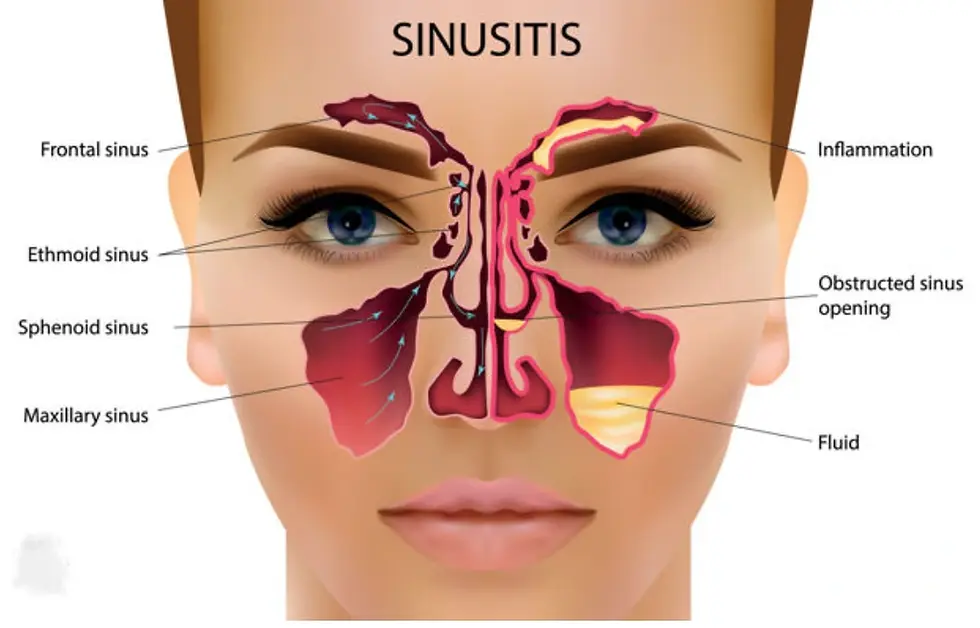
4. Frontal, Ethmoid and Sphenoid Sinusitis
Sinusitis can also be described according to the sinus areas involved. Frontal sinusitis may cause forehead pressure, while ethmoid sinusitis can produce discomfort between the eyes. Sphenoid sinusitis can cause deeper or less typical headaches. Identifying the affected sinus area can help healthcare professionals determine the appropriate management approach.
Homeopathy for Sinusitis Problems: What People Commonly Seek
People who search for homeopathy for sinus problems may be dealing with recurring nasal blockage, sneezing, watery discharge, facial pressure, post-nasal drip or sensitivity to environmental triggers.
A consultation may focus on questions such as:
How often do the symptoms occur?
Are they seasonal or present throughout the year?
What seems to trigger them?
Is the nasal discharge thick or watery?
Is congestion worse at a particular time of day?
Are headaches or facial pressure present?
Is there a history of allergies or recurrent respiratory problems?
Discussing these symptoms in detail can help the practitioner better understand the person's concerns and overall symptom pattern. However, it should be part of the overall evaluation and should not replace a proper medical diagnosis.
Homeopathy for Sinusitis Headache: Understanding the Connection
Sinus problems can cause facial pressure, nasal congestion and headaches. However, a headache accompanied by nasal symptoms is not always caused by sinusitis. This distinction is particularly important for people experiencing ongoing sinus symptoms, since migraines can produce similar signs.
Migraines may involve nasal congestion, facial pressure and watery nasal discharge, making them easy to mistake for sinus-related headaches. A medical evaluation can help identify the underlying cause of recurring headaches and sinus symptoms.
Migraine is more likely when the pain is accompanied by:
Nausea or vomiting
Sensitivity to light
Sensitivity to sound
Moderate to severe, often throbbing pain
Tips for Managing Chronic Sinusitis
Managing chronic sinusitis often involves more than taking a medicine when symptoms become uncomfortable. Everyday habits can also influence how manageable symptoms feel.
Keep the nasal passages clean: Saline nasal sprays or properly performed saline irrigation can help remove mucus and irritants. Always use safe water and clean the irrigation device correctly.
Stay hydrated: Drinking enough fluids can help keep mucus thinner and easier to clear.
Identify and reduce triggers: Dust, smoke, pollen, mould and other irritants may worsen sinus symptoms. Reducing exposure can be especially useful for people whose symptoms are linked to allergies or environmental irritation.
Maintain good sleep habits: Congestion can interfere with sleep, while poor sleep can make fatigue and daily discomfort harder to manage. Creating a comfortable sleeping environment and addressing persistent nasal obstruction can be helpful.
Keep indoor air comfortable: A humidifier may help prevent excessive dryness and keep nasal tissues more comfortable, although it should be cleaned regularly to prevent mould and microbial growth.
Do not rely on self-treatment for persistent symptoms: When symptoms remain for weeks, repeated self-medication may delay identification of the actual cause. Persistent sinus symptoms deserve appropriate professional evaluation.
When to Consult a Doctor
It is a good idea to seek medical advice when sinus symptoms persist, repeatedly return or interfere with everyday activities.
A professional evaluation becomes particularly important when there is:
Persistent congestion or discharge lasting 12 weeks or longer
Repeated episodes of sinusitis
Significant facial pain or pressure
Reduced sense of smell
Symptoms that are not improving with usual care
Severe or worsening headaches
Swelling or redness around the eyes
Vision changes
High fever, confusion or a stiff neck
Some of these symptoms may indicate complications or another condition requiring prompt assessment.
Homeopathic Treatment for Sinus Infection: Why Choose CarePlus?
The phrase best homeopathic treatment for sinus infection is commonly searched by people hoping to avoid repeated medicines or recurring symptoms. The important first step, however, is to determine whether the problem is actually an infection, chronic inflammation, allergy, nasal polyp, or another condition.
Chronic sinusitis is not always caused by an active bacterial infection. In fact, chronic sinusitis is often more closely associated with persistent inflammation and impaired drainage. Antibiotics are therefore not automatically appropriate for every chronic case.
Why Choose CarePlus Homeopathy for Sinus Problems?
Personalised consultation: We understand your symptoms, health history, triggers, and recurring sinus patterns.
Symptom-focused care: Common concerns such as nasal blockage, sneezing, post-nasal drip, watery eyes, headaches, and sinus pressure are carefully discussed.
Trigger awareness: Dust, pollution, allergies, and seasonal changes in Bangalore may contribute to recurring symptoms.
Responsible guidance: Homeopathy may be considered as a complementary approach, but it should not replace necessary medical evaluation or conventional treatment.
Patient-centred support: CarePlus focuses on helping patients understand their symptoms and make informed healthcare decisions.
Online consultation for follow-ups: Convenient online consultations are available for follow-up appointments, allowing patients to discuss progress, ongoing symptoms, and treatment-related concerns without needing to visit the clinic every time.
Conclusion
Managing persistent sinus symptoms starts with understanding their underlying cause. Chronic sinusitis treatment may vary depending on allergies, inflammation, nasal polyps, structural issues, infections, or other factors, while recurring headaches should be evaluated carefully as they may overlap with migraine. Homeopathy may be considered as a primary approach. At CarePlus Homeopathy, we consider your symptoms, health history, recurring patterns, and possible triggers, including dust, pollution, allergies, and seasonal changes that may affect sinus symptoms in Bangalore.
Looking for Support for Recurring Sinus Problems?
Contact CarePlus Homeopathy in Bangalore or book an online consultation to discuss your sinus-related concerns and explore an appropriate, patient-focused approach to care.
FAQ
What causes chronic sinusitis?
Possible contributing factors include allergies, environmental irritants, nasal polyps, asthma, structural problems in the nose, dental infections, immune-related conditions, and certain infections.
Can chronic sinusitis cause headaches?
Yes. Headaches and facial pressure can occur with chronic sinusitis. However, headaches attributed to the sinuses may actually be migraines in some people, so persistent or recurrent headaches should be properly evaluated.
What is the difference between chronic sinusitis and migraine?
Chronic sinusitis may involve congestion, thick nasal discharge, reduced smell and facial pressure. Migraine can also cause facial pressure and nasal symptoms, but nausea, vomiting and sensitivity to light or sound are more characteristic of migraine.
How long does chronic sinusitis last?
By definition, chronic sinusitis involves symptoms lasting at least 12 weeks. Some people may experience symptoms for much longer and may require ongoing management depending on the underlying cause.
Can lifestyle changes help with chronic sinusitis?
Lifestyle measures such as staying hydrated, avoiding smoke and known allergens, maintaining comfortable indoor humidity, and using saline nasal irrigation appropriately may help manage symptoms.


